A woman was waiting for a long flight at a crowded airport. To pass the time, she bought a novel and a packet of Oreo cookies, then found a quiet seat in the departure lounge. She tucked her bag beside her between her chair and the next and lost herself in her book.
A few minutes later, out of the corner of her eye, she saw the man sitting next to her reach over, open the packet, and take an Oreo.
She froze, stunned by his sheer audacity. Who does that? she thought. Not wanting to make a scene in public, she decided to keep quiet. She reached over, took an Oreo herself, and gave him a pointed look. He simply smiled faintly and went back to his newspaper.
A minute later, he took another one.
Her irritation spiked. With every crunch, a narrative built in her head: This man is entitled. He has no boundaries. He is taking advantage of my politeness. Determined not to be pushed around, she took another Oreo. He took another. Back and forth they went, locked in a silent passive aggressive battle of wills, until only one Oreo remained.
The man picked up the last Oreo, carefully broke it in half, offered her the one piece, and ate the other.
The nerve, she fumed. He steals my food and then acts like he's doing me a favour.
Just then, she was called in to board the plane. Glad to escape the encounter, she gathered her things, marched onto the plane, and took her seat. When she reached into her bag, she noticed a completely unopened packet of Oreo cookies.
Sitting in her seat, the realization washed over her. The cookies on the table had never been hers.
Every assumption she had made, every flash of anger she had felt, was built on a story she had invented in her own head—while the stranger beside her had quietly shared his cookies.

Why This Story Matters
We all tell ourselves stories to make sense of the world. In moments of stress or uncertainty, our minds quickly fill in the blanks—turning a stranger's quiet generosity into an act of hostility, or a minor misunderstanding into a personal attack. Do you tend to feel misunderstood most of the time?
Emotional health isn't about never jumping to conclusions. It's about pausing, getting curious about the narratives running through our minds, and asking ourselves: "Is this a fact, or is this just the story I'm telling myself right now?"
People who can regulate their emotions more efficiently, get to know their internal stories and ask themselves questions about those stories.
Emotionally regulated people don’t believe everything they think or feel. This is not to disregard your gut instinct or educated knowledge or your common sense. But when you feel judged by someone, try asking yourself if this is a fact or an assumption, and do you need to internalise it or let it pass?
The path to emotional regulation invites you to get curious to take steps in pausing to think and process your thoughts and feelings. By pausing and processing how you feel, you create space and reducing the need to run away from your own self. You literally “hold that thought” before acting on it and help yourself understand how and why you might be thinking or feeling this way.
Ask yourself: Are the feelings accurate? Have I checked that? Is there another possibility? Have I tried to approach them? Have I felt like this before? Will I feel like this tomorrow? Or next week? What name could I give this feeling?
So, how often do you question the stories in your head?
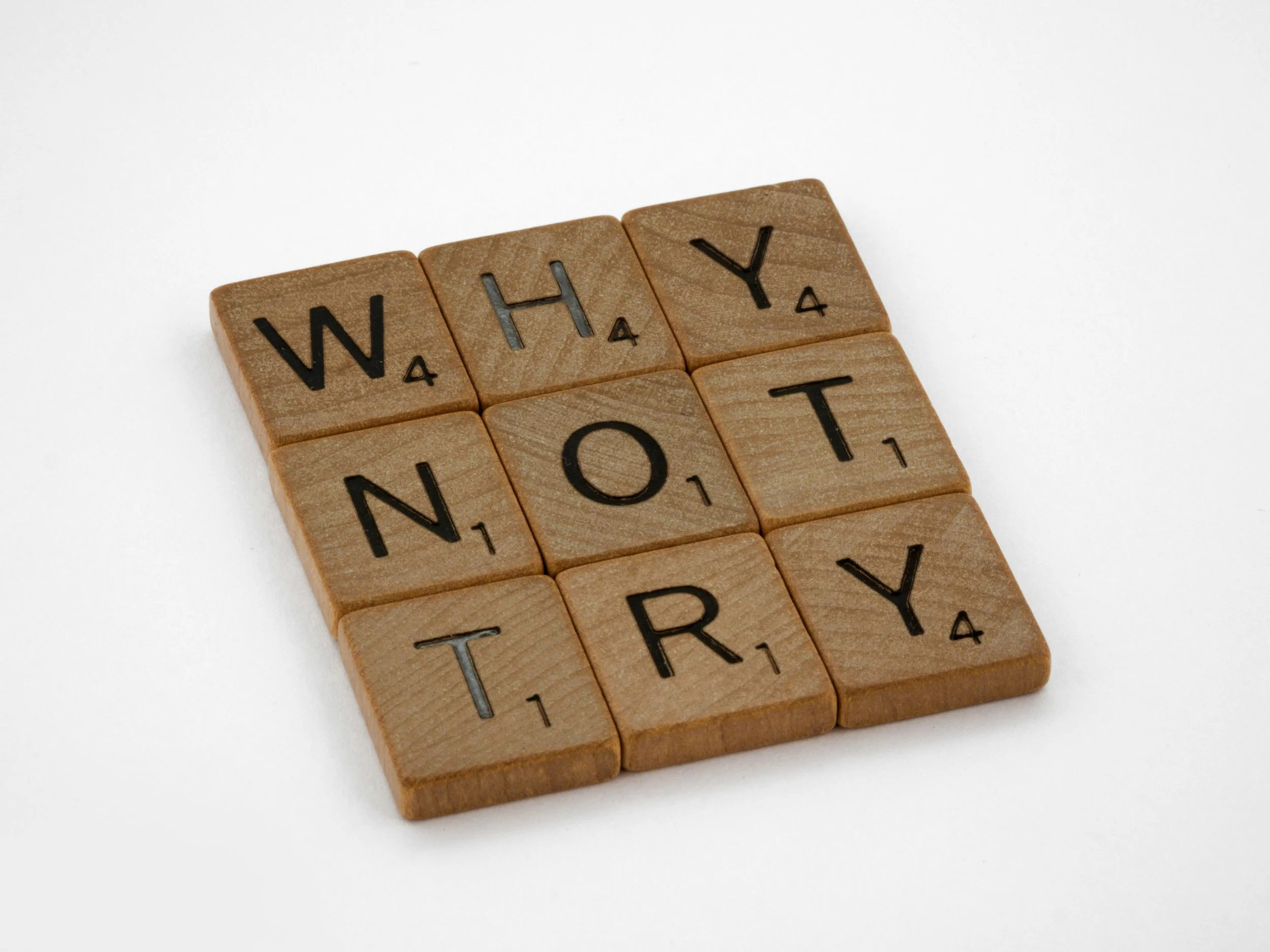
Photo by Brett Jordan on Unsplash
By trying to answer the above questions, and by naming your feelings, you are calming your nervous system down. You are creating space between yourself and your feelings. Not letting your feelings make decisions on how to act all the time and give yourself space to make choices.
If this has been helpful, and you would like to create some space and increase your self-awareness in therapy, you can get in touch with me.