Counselling After Divorce: How Therapy Can Help You Heal After Separation
Divorce is often described as an ending, but emotionally it can feel more like the dismantling of a life you once expected to continue.
Even when separation is the right decision, it can bring grief, confusion, anger, relief, loneliness, guilt, and fear — sometimes all at once.
Counselling after divorce is not simply about “moving on.” Whether you are newly separated, going through divorce proceedings, or adjusting to life after separation, therapy can help you understand what has happened emotionally, rebuild your sense of self, and begin adjusting to a very different life.
For many people, divorce counselling provides an opportunity to process grief, relationship loss, anxiety, and the emotional impact of separation.

Why Divorce Can Feel So Emotionally Overwhelming
There is a common misconception that divorce only deeply affects the person who did not want the relationship to end. Even those who initiate separation often experience profound grief, guilt, and emotional distress.
Many people are surprised by the intensity of their emotions after separation. You may find yourself asking:
“Why am I struggling so much when I know this was necessary?”
“Why do I still feel emotionally attached?”
“Why can’t I stop replaying everything?”
“Who even am I now?”
Some people experience overwhelming sadness after divorce. Others feel emotionally numb. Some throw themselves into work or constant busyness because silence feels unbearable. Others feel guilt for feeling relieved.
There is no single “correct” emotional response to separation or divorce.
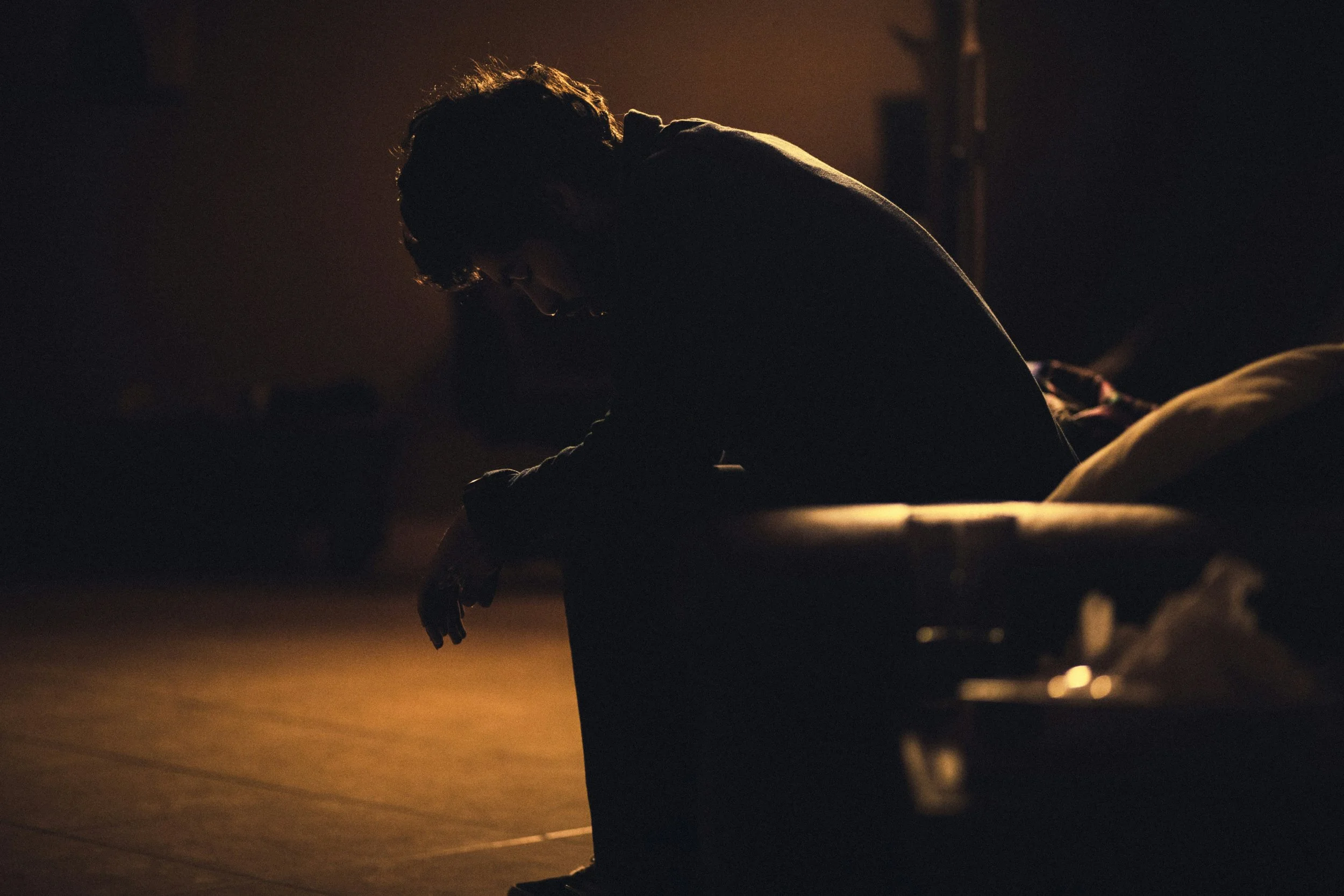
The Hidden Grief of Divorce
One of the most painful aspects of divorce is that the grief is often invisible.
When someone dies, society openly recognises loss. Divorce can feel very different. Friends, family, or colleagues may expect you to recover quickly, stay positive, or immediately focus on “the next chapter.”
But divorce often involves mourning:
the relationship you hoped for
the future you imagined
the version of yourself you were within the marriage
the years invested emotionally
the sense of certainty you once had
the fear of being alone in the future
Sometimes people are grieving not only the relationship itself, but also the belief that they failed.
How Counselling After Divorce Can Help
Many people spend months — or even years — trying to cope alone before seeking support. Often, they become highly skilled at functioning outwardly while struggling internally.
Counselling for divorce and separation offers a confidential space where you do not have to minimise your experience or hold everything together for everyone else.
I can help you:
process grief and emotional overwhelm
rebuild self-esteem and confidence
understand unhealthy relationship patterns
navigate co-parenting challenges
manage anxiety, anger, or loneliness
reconnect with your own needs and identity
begin trusting yourself again
Importantly, divorce therapy is not about blaming either partner. It is about helping you make sense of your experience and move forward in a healthier, more grounded way.

Healing After Divorce Is Rarely Linear
Some days you may feel hopeful and strong.
Other days, a memory, photograph, message, or quiet evening can bring everything rushing back unexpectedly.
Healing after divorce is rarely neat or predictable. There is no deadline for emotional recovery.
The goal of divorce counselling is not to erase the past, but to help you carry it differently — with less shame, less self-blame, and more understanding of yourself.

You Do Not Have to Go Through Divorce Alone
Divorce can feel incredibly isolating, particularly when you are trying to stay strong for children, family, or work responsibilities.
But emotional pain often deepens when it is carried entirely in silence.
You do not have to wait until everything completely falls apart before asking for support.
Speaking to a counsellor after divorce can help you process what has happened, understand your emotional responses, and begin rebuilding life at your own pace.
If you are struggling with separation, relationship breakdown, or adjusting to life after divorce, I can offer support and understanding.
